For information about your new Patient Portal, please visit https://www.myprivia.com/north-texas-portal.
-
Patient Resources
-
-
Services
-

Proudly Part of Privia Health
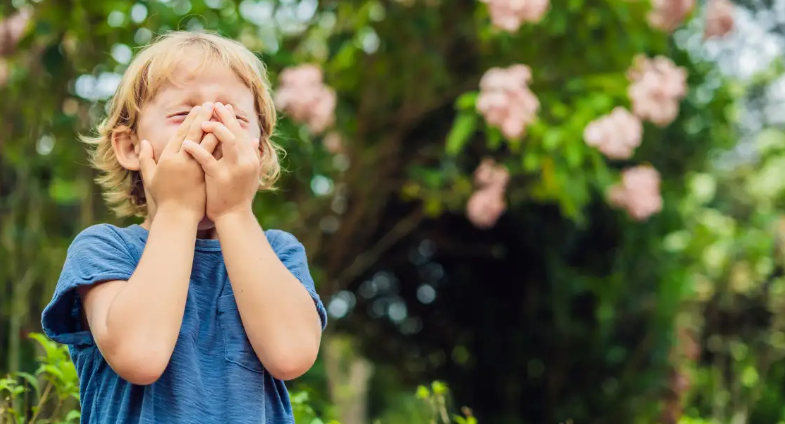
As spring approaches and pollen levels begin to rise, many parents start noticing familiar signs—runny noses, sneezing, itchy eyes or lingering coughs. Seasonal allergies are incredibly common in children, and for some kids, spring allergens can also affect breathing or asthma symptoms.
If you’ve ever wondered whether your child’s symptoms are “just allergies” or something more, you’re not alone. These concerns come up every year, and the good news is that with the right awareness and support, springtime symptoms are very manageable.
At Forest Lane Pediatrics, we talk often with families about allergies, pediatric asthma and indoor triggers — because children’s lungs are still developing, and small changes can make a big difference in how they feel day to day. If you’re unsure whether your child’s symptoms may be allergies, or if they’ve struggled with spring symptoms before, scheduling a visit can help us better understand what’s going on and create a plan to help them feel their best.
Seasonal allergies happen when a child’s immune system reacts to outdoor allergens like pollen from trees, grass and weeds. These tiny particles increase in the spring and can easily be inhaled during playtime, school or outdoor activities.
Common signs of seasonal allergies in kids include:
While allergies aren’t dangerous, they can certainly make kids uncomfortable—and when symptoms linger, they can interfere with sleep, focus and everyday fun.
For children with pediatric asthma, spring allergens can act as triggers. That means exposure to pollen or dust may lead to coughing, wheezing, shortness of breath or chest tightness.
Even children without a formal asthma diagnosis can experience breathing symptoms when allergens irritate their airways. That’s why paying attention to patterns—like symptoms worsening during certain seasons—is so important.
Managing allergies well can often help keep asthma symptoms calmer and more predictable. If your child has had asthma flare-ups during the spring in the past, this is a great time to schedule a visit to make sure their allergy and asthma medications are optimized and their care plan is ready for the season ahead.
While spring allergies come from outside, many triggers live inside the home. Dust mites, pet dander, mold and even scented products can irritate sensitive airways—especially when windows stay closed and kids spend more time indoors.
Indoor air quality matters because children breathe faster than adults and are more sensitive to irritants in the air around them.
You don’t need a perfect home or strict routines—small, steady steps go a long way. Here are a few parent-friendly tips:
Progress matters more than perfection. Even one or two changes can help kids breathe easier.
At Forest Lane Pediatrics, we partner closely with families to help children thrive through every season. Our team regularly supports children with allergies, asthma and environmental triggers—offering guidance that’s clear, practical and tailored to your child.
Whether it’s monitoring symptoms, adjusting treatment plans or simply answering questions, our approach is rooted in reassurance and trust. We believe parents know their children best, and we’re here to support you with experience and care.
Learn more about how we care for children’s respiratory health on our
👉 Asthma Care & Management page
👉 Well-Child Visits & Preventive Care
Managing allergies well can often help keep asthma symptoms calmer and more predictable. If your child has had asthma flare-ups during the spring in the past, this is a great time to schedule a visit to make sure their allergy and asthma medications are optimized and their care plan is ready for the season ahead.
Visit ForestLanePediatrics.com to schedule a wellness visit or reach out with questions. We’re honored to care for your family and walk alongside you—this spring and every season.