

Why Your Annual Physical Matters More Than You Think: A Guide to Preventive Care in Orlando
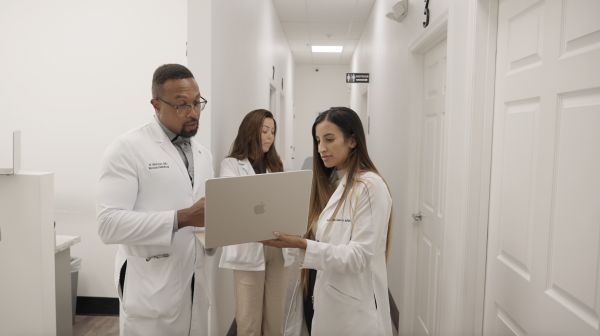
When was the last time you visited your doctor when nothing was actually wrong?
For many people, healthcare is reactive. We make an appointment when we're sick, experiencing pain or notice a symptom that won't go away. But some of the most important conversations you can have with your primary care provider happen when you're feeling perfectly healthy.
An annual physical gives you and your healthcare provider an opportunity to evaluate your overall health, identify potential concerns and create a plan to help you stay healthy in the years ahead.
At Restora Medical in Orlando, Florida, we believe primary care shouldn't only focus on treating illness. It should also focus on helping patients better understand and protect their health.
What Is an Annual Physical?
An annual physical is a comprehensive health evaluation performed by your primary care provider. While the specifics of an exam can vary depending on your age, medical history, risk factors and individual health needs, it provides an opportunity to establish a clearer picture of your overall health.
Your annual visit may include:
- Reviewing your personal and family medical history
- Checking blood pressure and other vital signs
- Reviewing medications and supplements
- Discussing nutrition and physical activity
- Evaluating weight and metabolic health
- Reviewing sleep and lifestyle habits
- Ordering appropriate laboratory testing
- Discussing vaccinations
- Reviewing age-appropriate health screenings
- Addressing new symptoms or health concerns
- Creating or updating your personalized wellness plan
Most importantly, an annual physical gives you dedicated time to talk with your healthcare provider about your health—not just a specific illness.
"I Feel Healthy." Do I Really Need an Annual Physical?
Feeling good is important, but it doesn't always provide a complete picture of what's happening inside your body.
Some health conditions can develop with few or no noticeable symptoms, particularly in their earlier stages. High blood pressure, elevated cholesterol and abnormal blood sugar are examples of issues that may be discovered during routine healthcare visits or screening.
That's one of the biggest reasons preventive care matters.
Routine visits allow your primary care provider to monitor important health indicators over time. Instead of looking at a single blood pressure reading or lab result, your provider can identify changes and trends.
Catching potential concerns earlier may provide more opportunities to address them through lifestyle modifications, additional evaluation or medical treatment when appropriate.
Your Annual Physical Establishes a Health Baseline
One of the most valuable aspects of having a regular primary care physician in Orlando is continuity. Your healthcare provider gets to know you.
Over time, your medical record creates a baseline that can help your provider recognize when something has changed. For example, a laboratory value may technically fall within a reference range but look significantly different from your previous results. Your weight, blood pressure, energy levels, sleep patterns or other health indicators may also change gradually.
Having an established relationship with a PCP means those changes can be evaluated within the larger context of your health history.
Preventive Care Is About More Than Lab Work
Bloodwork can provide valuable information, but preventive medicine extends far beyond laboratory testing.
Your everyday habits can play an important role in your overall health.
During an annual physical, you may have an opportunity to discuss areas such as:
Nutrition
Are your current eating habits supporting your health goals? Your provider can help identify areas where nutritional changes may be beneficial.
Physical Activity
Exercise can support cardiovascular health, strength, mobility and overall wellness. Your provider can discuss appropriate activity based on your individual health.
Sleep
Consistently poor sleep can affect how you feel and function. Changes in sleep patterns can also be worth discussing with your healthcare provider.
Weight and Metabolic Health
Weight is only one part of your overall health. Blood pressure, blood sugar, cholesterol, nutrition, physical activity and other factors can help provide a broader picture of metabolic health.
Stress and Overall Wellness
Your physical health doesn't exist in isolation. Discussing stress and other lifestyle factors can help your provider better understand your overall wellness.

Annual Physicals Can Help Identify Your Personal Risk Factors
Healthcare shouldn't be one-size-fits-all.
Two people of the same age may have very different preventive healthcare needs based on factors such as family history, lifestyle, existing medical conditions, medications and previous laboratory results.
For example, someone with a strong family history of diabetes or cardiovascular disease may need different monitoring than someone without those risk factors.
Your primary care provider can help determine which screenings and preventive measures may be appropriate based on your individual circumstances.
Your Annual Visit Is Also Your Opportunity to Ask Questions
Have you been unusually tired lately?
Has your weight changed?
Are you sleeping poorly?
Have you noticed changes in digestion, energy or exercise tolerance?
Are you wondering whether a supplement you're taking is actually necessary?
Write those questions down and bring them to your annual appointment.
Patients sometimes dismiss small changes because they don't seem significant enough to warrant a doctor's visit. Your annual physical provides a natural opportunity to discuss those concerns with your healthcare provider.
Even when a symptom turns out to be minor, having the conversation can help you make more informed decisions about your health.
Preventive Care Can Help You Think Beyond Today
One of the biggest differences between reactive and preventive healthcare is the question being asked.
Reactive medicine asks:
"What's wrong today?"
Preventive medicine also asks:
"What can we do today to support your health tomorrow?"
“Have you been feeling less like your normal self?”
Your healthcare goals may include improving your blood pressure, reducing your risk of diabetes, reaching a healthier weight, becoming more physically active or simply maintaining your current health as you get older.
Your annual physical is an opportunity to identify those goals and create an appropriate plan with your healthcare provider.
How Often Should You Have a Physical?
Many patients schedule a comprehensive health visit annually, but the appropriate frequency of medical visits and preventive screenings can vary.
Your age, medical history, medications, chronic health conditions and individual risk factors may influence how frequently your healthcare provider recommends seeing you.
Patients managing conditions such as high blood pressure, diabetes, high cholesterol or obesity may require additional visits throughout the year to appropriately monitor their health.
Your primary care provider can recommend a schedule based on your individual needs.
Looking for a Primary Care Physician in Orlando?
Choosing a primary care provider is about more than finding someone to call when you're sick.
Your PCP can become a long-term partner in your healthcare—someone who understands your history, monitors changes in your health and helps you make informed decisions along the way.
At Restora Medical, we provide comprehensive primary and preventive care for patients in Orlando and the surrounding Central Florida community.
Our approach is designed to look at the bigger picture of your health, with services that can include preventive care, annual physicals, laboratory testing, chronic disease management, wellness planning and medical weight management.
Because better healthcare isn't only about treating what's wrong.
It's about taking proactive steps to protect what's right.
Schedule Your Annual Physical in Orlando
If it's been a while since your last physical, now may be a good time to make your health a priority.
Schedule an appointment with Restora Medical in Orlando, Florida, and start a conversation about your health today—and where you want it to be tomorrow.
This article is intended for general educational purposes and should not replace individualized medical advice, diagnosis or treatment from a qualified healthcare professional.