For information about your new Patient Portal, please visit https://www.myprivia.com/north-texas-portal.
-
Patient Resources
-
-
Services
-

Proudly Part of Privia Health
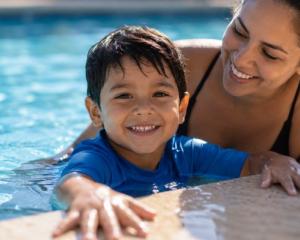
Summer in Texas means sunshine, pool days, splash pads, lake trips and lots of time spent around water. While these moments create some of the best childhood memories, they also come with important safety considerations for families.
At Forest Lane Pediatrics, we know that drowning can happen quickly and quietly—even in shallow water. The good news is that a few simple precautions can dramatically reduce risks and help children stay safe while having fun.
These pediatrician-approved water safety tips for kids can help your family enjoy a safer summer season.
Water-related accidents remain one of the leading causes of injury for children, especially during the summer months.
Many incidents happen close to home—in backyard pools, bathtubs, neighborhood pools and even during short moments when adults believe someone else is watching.
That’s why one of the most important swim safety tips for parents is simple: Active supervision matters at all times.Even strong swimmers still need adult supervision around water.
When children are swimming or playing near water:
Drowning is often silent and can happen in seconds. Children may not splash, yell or call for help. One attentive adult can make all the difference.
One of the best long-term water safety tips for kids is enrolling them in swim lessons when developmentally ready.
Swim lessons can help children:
However, it’s important to remember: Swim lessons do not replace supervision.
Even children who know how to swim still need close adult monitoring around pools, lakes and other bodies of water. If you’re unsure whether your child is ready for swim lessons, your pediatrician can help guide you based on age and development.
Life jackets are one of the most effective tools to prevent drowning, especially around lakes, rivers and open water.
Our Pediatricians recommend:
Inflatable floaties, puddle jumpers and pool toys should never replace a properly fitted life jacket or adult supervision.
Backyard pools can be fun—but they also require multiple layers of protection.
Important pool safety reminders include:
Parents should also learn CPR whenever possible. In emergencies, quick action can save lives before first responders arrive.
Water risks are not limited to swimming pools.
Families should also practice caution around:
Young children should never be left unattended near water of any kind, even briefly.
Children learn best through repetition and consistency.
Simple water rules can help build lifelong habits:
The goal is not to create fear—but to build confidence, awareness and safe habits around water.
Pool safety matters even when your child is not actively swimming.
This is especially important when visiting friends, neighbors or relatives who have a pool, or when staying at hotels and vacation rentals. These places may feel fun and relaxed, but they can also give children access to water outside their normal routine.
When you arrive, take a moment to notice where the pool is, whether doors or gates are secure and how easily your child could reach the water. During visits or group gatherings, it also helps to clearly name one adult who is watching young children.
A few simple habits can help:
This does not mean families need to feel anxious every time a pool is nearby. It simply means adding one extra layer of awareness. A few calm, intentional steps can help keep children safe while still allowing everyone to enjoy time with family and friends.
At Forest Lane Pediatrics, we believe education and prevention are some of the most powerful tools for keeping children safe.
Summer should be filled with joyful memories—not preventable emergencies. Our team is here to answer questions about swim readiness, summer safety, hydration, sun protection and overall wellness.
We’re honored to partner with families through every season of childhood.
If you have questions about swim safety, summer wellness or your child’s development, our team is always happy to help.
Whether you’re preparing for swim lessons, heading out on vacation or planning a pool-filled summer, we’re here to support your family every step of the way.