
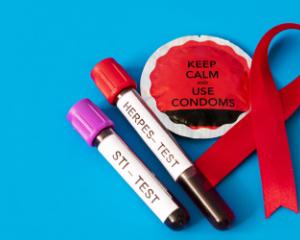
Common Myths About STI/STD Screening Debunked
Reviewed by Dr. Kenneth Barron, MD

Sexually transmitted infections (STIs-previously called STDs (Sexually Transmitted Diseases)) are more common than people think, and a lot of myths and misunderstandings can get in the way of staying healthy. These myths can make it harder to prevent and treat STIs the right way. In this article, we’ll share some of the most common myths about STIs and STI screening and explain why getting tested regularly is so important for everyone, no matter your gender, relationship status, or how sexually active you are.
Sexually Transmitted Infections: What You Need to Know
Millions of STI cases are reported every year in the U.S., and many of them don’t show symptoms. This means people can spread STIs without even knowing they have them.
Here are some common STIs:
- Chlamydia: A bacterial infection that often shows no symptoms but can lead to serious reproductive problems if untreated
- Gonorrhea: A bacterial infection that can also be symptomless but may cause complications if not treated
- Syphilis: A bacterial infection that goes through stages, from sores to severe organ damage
- Herpes: A virus that causes sores or blisters, though it can stay dormant without symptoms for years
- Human Papillomavirus (HPV): Usually asymptomatic, but some strains can cause genital warts or cancer
- Human Immunodeficiency Virus (HIV): The virus that leads to AIDS, which can be treated but not cured
Some STIs can clear up with treatment, while others need long-term management. The best way to stay ahead of these infections? Regular screenings, even if you feel healthy.
You might wonder if a sexually transmitted disease (STD) and sexually transmitted infection (STI) are the same thing. The truth is, these terms are used interchangeably in the medical community. The focus is on treating infections so there are no long lasting effects that one might call a disease.
Sexually Transmitted Diseases: Myths vs. Reality

Myth: "STIs are always obvious and easy to detect."
Reality: Many STIs can be asymptomatic, meaning individuals might not even know they are infected. For example, chlamydia and gonorrhea often show no symptoms, but can still cause long-term health issues like infertility.
Myth: "You can only get an STI through vaginal sex."
Reality: STIs can be transmitted through any form of sexual activity, including oral, vaginal and anal sex. It’s important to be aware that you can contract STIs from skin-to-skin contact or bodily fluids, even without penetration.
Myth: "Oral sex is completely safe from STIs."
Reality: Oral sex can transmit STIs, such as:
- Herpes: Oral herpes (herpes simplex virus) can be transmitted through kissing or oral sex, leading to cold sores or genital sores.
- Gonorrhea and chlamydia: Both can infect the throat and cause symptoms like a sore throat or pain while swallowing.
- Syphilis: Sores from syphilis can appear in the mouth or throat, leading to transmission through oral sex
Myth: "Anal sex is no more risky than vaginal sex for STIs."
Reality: Anal sex carries a higher risk because the anal lining is thinner and more prone to tearing, which increases the risk of STI transmission. STIs like HIV, gonorrhea, and syphilis are more likely to be transmitted during anal sex, especially without protection.
Myth: "If we’re both clean, there’s no need for protection during anal sex."
Reality: Remember that STIs are often without symptoms. So even if both partners are not showing symptoms, STIs can still be transmitted through anal sex. Protection, such as condoms, should always be used to minimize the risk.
Regular STI testing and screenings are essential for anyone who engages in anal sex or sexual intercourse, regardless of whether they have symptoms or not.
Myths About STI Screening
While many people understand the importance of STI prevention, there are several myths surrounding the idea of getting tested. Breaking these myths can help encourage more people to take responsibility for their sexual health.
Myth: "If you have no symptoms, you don’t need to get tested."
Reality: As mentioned, many STIs don’t have obvious symptoms, which is why regular testing is crucial, especially for sexually active individuals. Testing helps catch infections early, preventing more serious health issues down the line. Guidelines recommend testing yearly in women up to age 26 and then based on risk factors after that.
Myth: "Getting tested is uncomfortable or invasive."
Reality: Most STI tests are quick and painless. Common methods of testing include urine samples, blood tests, and swabs, all of which are relatively simple and non-invasive.
Myth: "If my partner gets tested, I don’t need to."
Reality: It’s important for both partners to get tested. Even if one person tests negative, there’s still a chance that someone could be carrying an undiagnosed infection, so mutual testing is important for both individuals’ health.
Regular testing and responsible sexual practices—such as using protection (rather than having unprotected sex) and discussing health with your sexual partner—are the best ways to prevent the spread of STIs and protect your health. Don’t wait for symptoms to appear; getting tested regularly is key, and it’s a simple, quick process that can save you from long-term health complications.
Take Charge of Your Sexual Health Today
Regular STI screenings are a cornerstone of staying healthy, even if you feel perfectly fine. At The Center For Advanced Gynecology, we provide discreet, comprehensive testing in a supportive environment. Our experienced team ensures a quick and comfortable process, helping you gain the clarity and peace of mind you deserve. Whether it’s your first screening or part of your routine care, we’re here to help you prioritize your well-being. Schedule your appointment with us today and take a proactive step toward protecting your health.