
News & Announcements

Welcoming Erica Stephenson, WHNP-BC, to The Center for Advanced Gynecology
We're delighted to introduce the newest member of our care team. Erica Stephenson, a board-certified Women's Health Nurse Practitioner, will be joining the Center for Advanced Gynecology on September 28.
Erica brings more than a decade of experience caring for women at every stage of life, along with a philosophy that fits naturally with how we practice: making sure patients feel listened to and heard.
PCOS to PMOS: What the Terminology Change Means for Women’s Health
July 22
Why is PCOS changing to PMOS? Learn what the new terminology means, common symptoms, and treatment options from The Center for Advanced Gynecology.
Endometriosis Surgery and Hysterectomy: Why and Why Not
July 14
Learn when endometriosis surgery and hysterectomy are recommended, why a hysterectomy alone doesn't cure endometriosis, and how experts choose the right treatment.
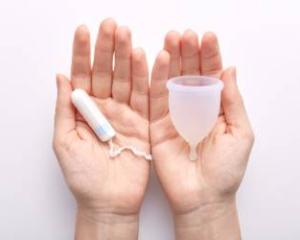
Menstrual Cups vs. Disposable Products: Which Is the Better Choice for You?
July 14
Compare menstrual cups, pads, and tampons to find the best option for your lifestyle. Learn the pros, cons, costs, safety, and when heavy periods need medical care.

Sex After Hysterectomy: What Women Say Years Later
May 13
Learn about the differences between vaginal hysterectomy and laparoscopic hysterectomy at The Center for Advanced Gynecology in Charlottesville, VA. Understand which procedure is right for you based on your specific gynecological needs, including conditions like uterine fibroids, endometriosis, and pelvic pain.
Vaginal Hysterectomy vs. Laparoscopic Hysterectomy: Which Is Right for You?
April 13
Learn about the differences between vaginal hysterectomy and laparoscopic hysterectomy at The Center for Advanced Gynecology in Charlottesville, VA. Understand which procedure is right for you based on your specific gynecological needs, including conditions like uterine fibroids, endometriosis, and pelvic pain.

Understanding the Benefits of Pudendal Nerve Blocks for Pelvic Pain Relief
Mar 20
Pudendal nerve, a key nerve that supplies sensation and some motor control to much of the outer pelvic region, including the genitals, anus, and pelvic floor muscles.
Can Pudendal Neuralgia Be Cured? Exploring Long-Term Solutions
Feb 19
Living with pudendal neuralgia can feel very frustrating and exhausting. The sharp, burning, or aching pain in the pelvic region can disrupt your daily life, making even simple activities uncomfortable. If you're searching for answers, the good news is that pudendal neuralgia can often be managed and for some, long-term relief is possible. The right combination of treatments can reduce your symptoms and improve your quality of life.
The Role of Physical Therapy in Managing Pudendal Neuralgia
Jan 19
Living with pudendal neuralgia can feel extremely uncomfortable and limiting, especially when sitting or walking. Even basic daily activities can trigger discomfort. This condition affects the pudendal nerve, frequently leading to achy pain or burning sensations in the pelvic area. If you're struggling with these symptoms, physical therapy offers a non-invasive and the most researched approach to finding relief.

Common Myths About STI/STD Screening Debunked
Dec 16
You might wonder if a sexually transmitted disease (STD) and sexually transmitted infection (STI) are the same thing. The truth is, these terms are used interchangeably in the medical community. The focus is on treating infections so there are no long lasting effects that one might call a disease.