
Remote Patient Monitoring & Chronic Care Management (RPM/CCM)

What is Remote Patient Monitoring (RPM)?

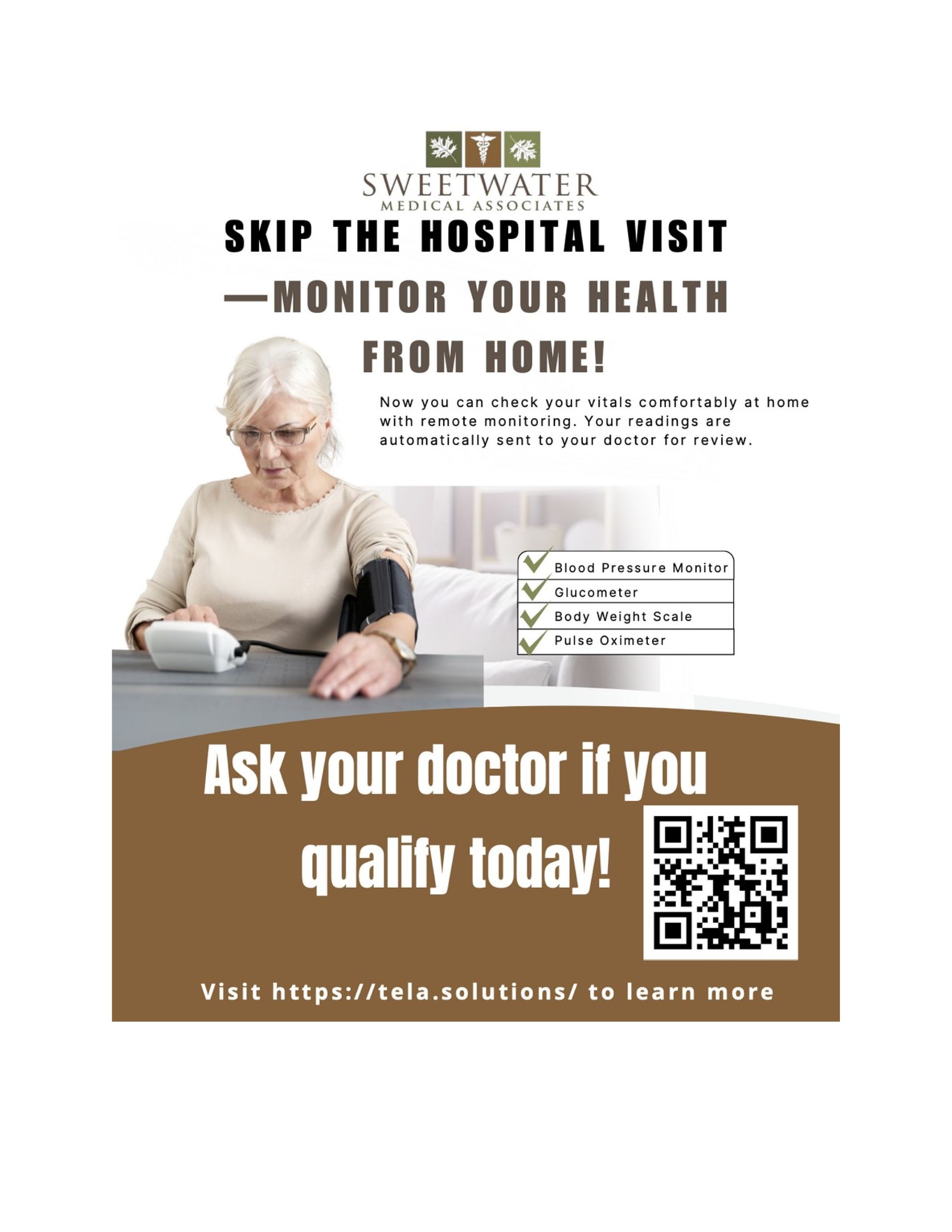
RPM_Poster

Remote patient monitoring is a healthcare service that allows your medical team to keep track of your health from wherever you are. Using medical devices at home, you can share important health information with your care team in real time—without having to visit the office for every check. Remote patient monitoring helps catch health changes early and keeps your doctor informed about how you're doing between appointments.

RPM is particularly helpful for managing chronic conditions like heart disease, diabetes, hypertension, and COPD. By monitoring your health continuously, your care team can make adjustments to your treatment plan quickly, preventing complications before they become serious.

Chronic Care Management (CCM) Services

Chronic care management is a comprehensive approach to managing ongoing health conditions. Unlike traditional office visits, CCM provides continuous care coordination, education, and support—often including phone calls, messaging, and care planning between your appointments.

If you have multiple chronic conditions, CCM helps coordinate your care across different specialists and medications. Your care team works together to create a personalized plan that addresses all of your health needs, reducing hospitalizations and emergency room visits. CCM focuses on helping you understand your condition, manage your medications, and make healthy lifestyle changes.

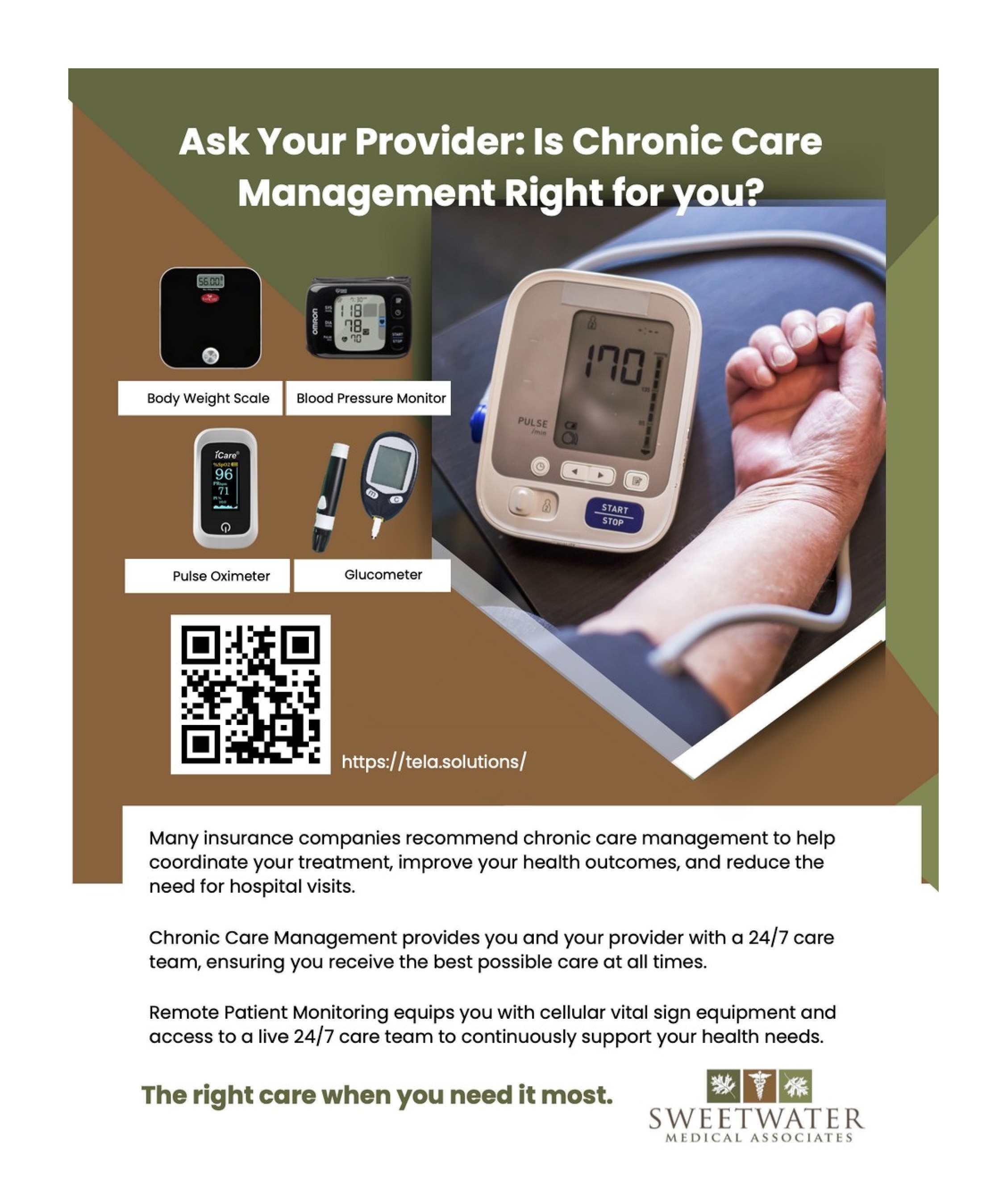
Waiting_Room_Poster

How Does RPM/CCM Work?

Step 1: You Get Your Devices Your monitoring team sends you medical devices to use at home. These might include a blood pressure monitor, glucose meter, pulse oximeter, or weight scale.

Step 2: You Share Your Health Data Using your devices, you record your measurements at home. These devices automatically send your data to our secure system so you don't have to do anything extra. This happens wirelessly and securely, so your information is protected.

Step 3: Our Team Reviews Your Information Your healthcare team gets real-time alerts about your health data. They review your readings regularly and look for any changes or concerns. This lets them catch potential problems early, before they become serious.

Step 4: You Get Support & Adjustments If your care team notices something that needs attention, they'll reach out to you. This might be a phone call, message, or appointment to adjust your medications, answer questions, or help you manage your condition better. You're never alone in managing your health.

Step 5: Better Outcomes By staying connected with your care team and monitoring your health regularly, you'll likely see better health outcomes, fewer hospital visits, and more stable chronic conditions.

Common Remote Patient Monitoring Devices

The devices used in remote patient monitoring depend on your specific health condition. Here are some common examples:

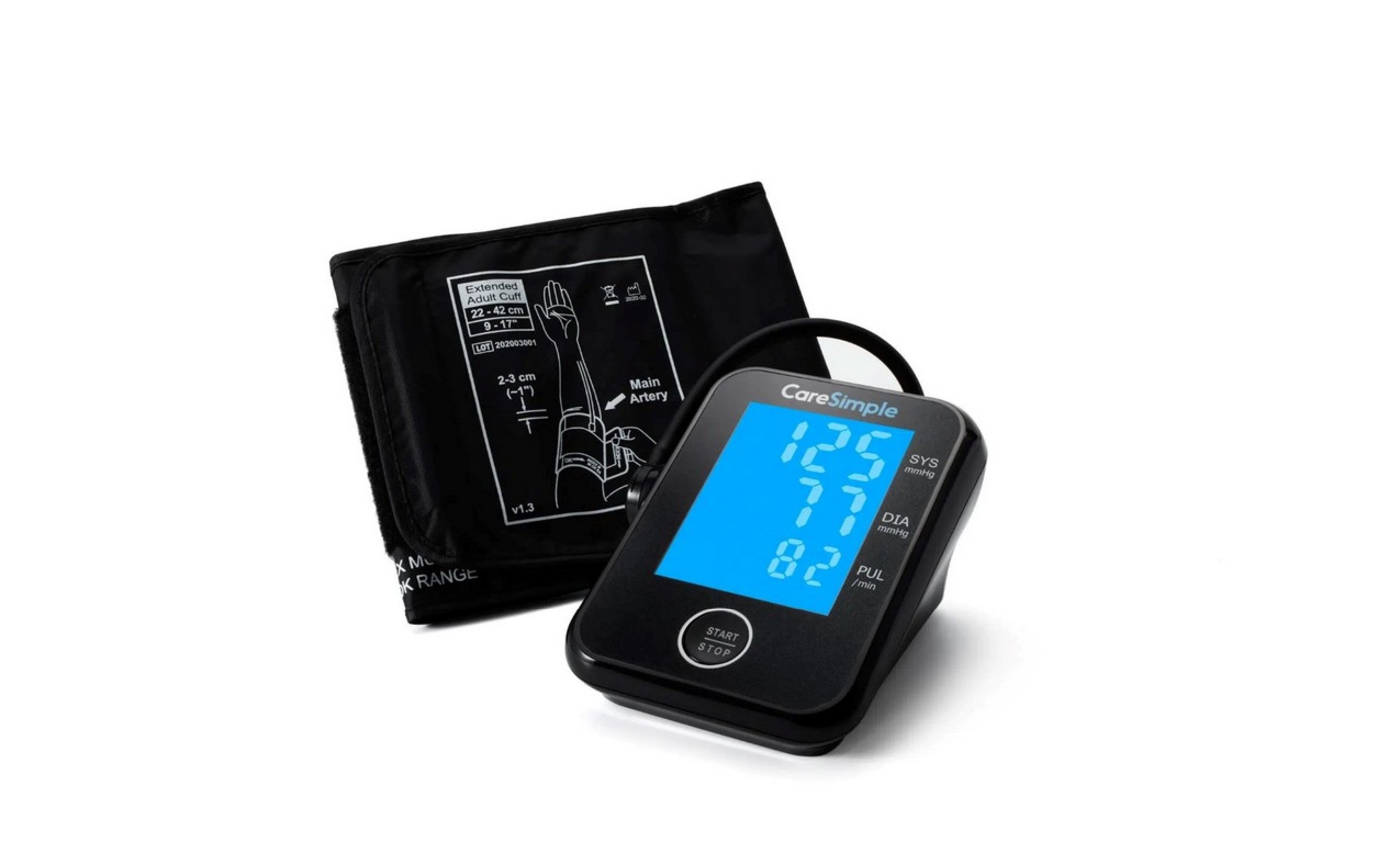
Blood Pressure Monitor: Tracks your blood pressure to manage hypertension and heart disease

BP monitor

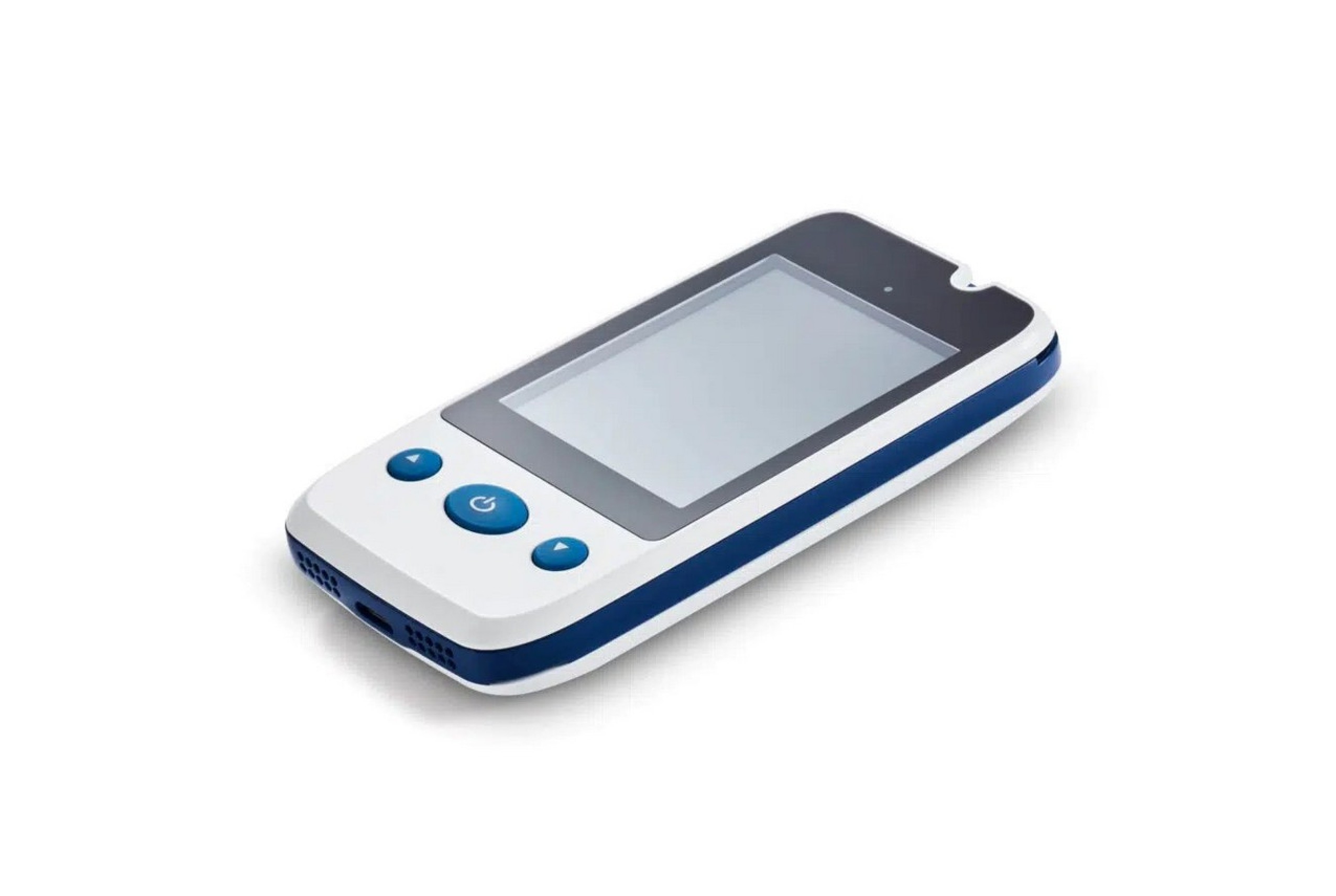
Glucose Monitor: Helps patients with diabetes track blood sugar levels throughout the day

BGM

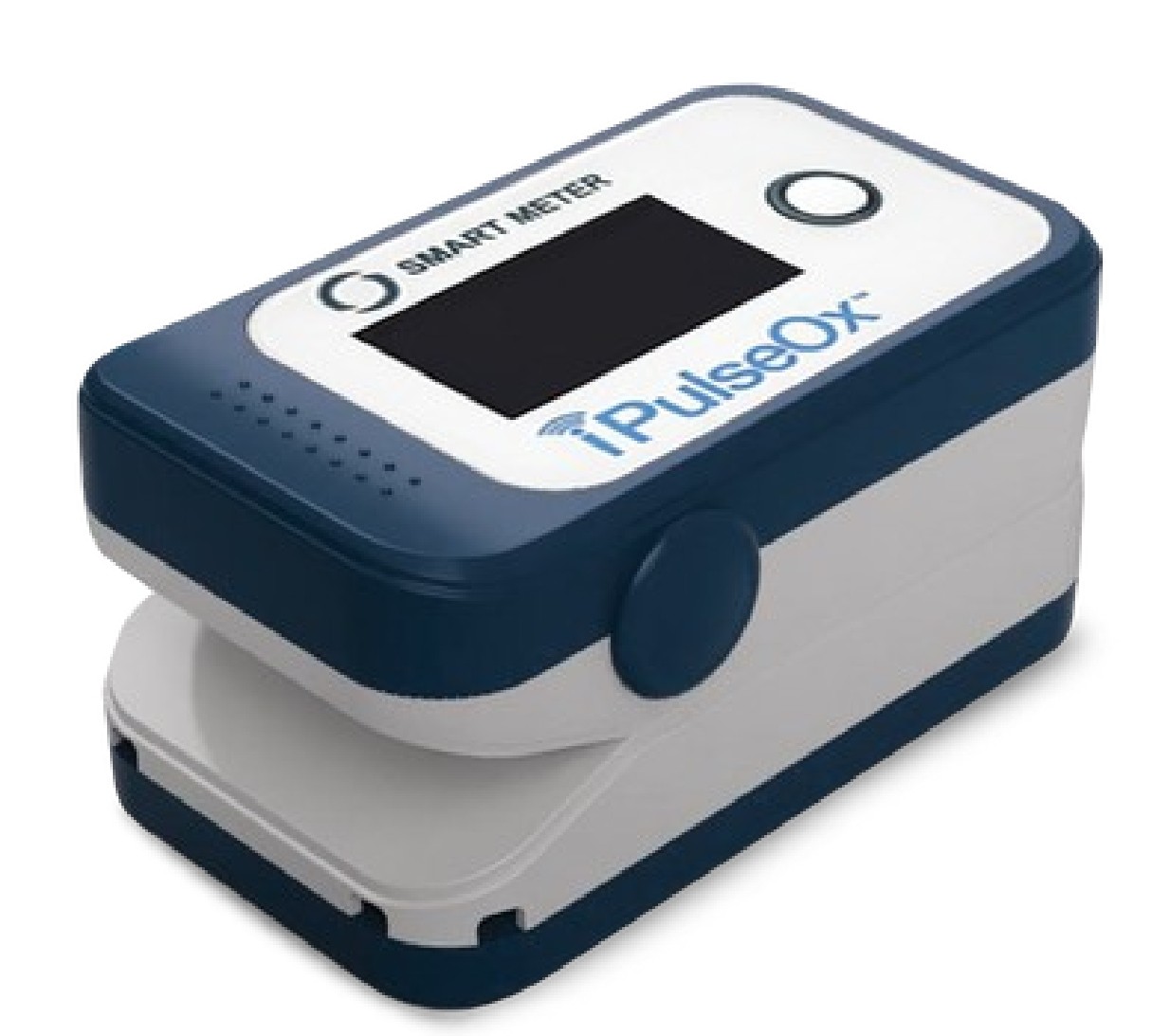
Pulse Oximeter: Measures oxygen levels in your blood, useful for COPD and respiratory conditions

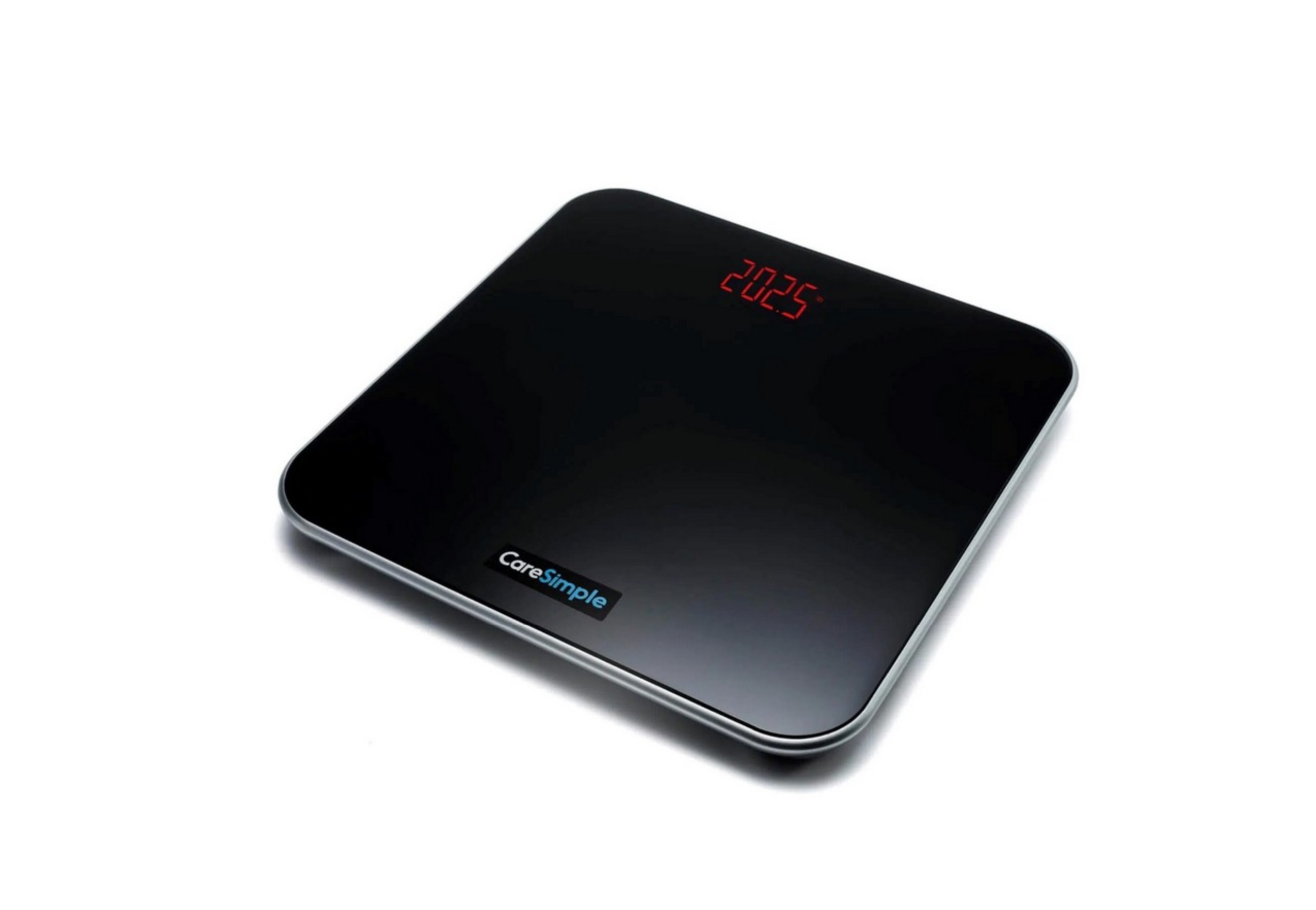
Weight Scale: Helps monitor fluid retention and weight changes for heart failure patients

Scale

All devices are user-friendly and require minimal training. Our team will explain exactly how to use your device and answer any questions you have.

Common Questions About RPM/CCM

Many insurance plans, including Medicare and Medicaid, cover remote patient monitoring and chronic care management services. We recommend checking with your insurance company or asking our team about your coverage.

No. The devices are designed to be simple and user-friendly. Our team will provide clear instructions and support, and we're here if you have questions.

The frequency depends on your condition and care plan. Some patients check readings once a day, while others check multiple times. Your care team will tell you the best schedule for you.

Yes. All of your health information is protected by strict privacy laws (HIPAA) and encrypted security systems. Only your authorized healthcare providers can see your data.

Your care team monitors your data continuously. If something concerning appears, they'll contact you either by phone, message, or scheduling an urgent appointment. You're not expected to react on your own; your team is watching and ready to help.

Absolutely. The devices are simple to use, and our team is here to support you every step of the way. Technology shouldn't be a barrier to getting better care.

No. RPM works alongside regular office visits. Your care team may be able to space out some routine visits because they're monitoring you remotely, but you'll still have important appointments with your doctor.

Our remote patient monitoring devices work anywhere, as long as you have a cellular connection. Let your care team know if you'll be traveling so they can support you while you're away.

Why Choose Remote Patient Monitoring & Chronic Care Management?

Better Health Outcomes Continuous monitoring and early intervention help prevent serious complications and hospitalizations.

More Convenient Care Monitor your health from home and reduce the number of office visits you need to make.

Personalized Support Your care team provides education, medication management, and lifestyle support tailored to your specific condition.

Peace of Mind Know that your healthcare team is watching your health data and ready to help if something changes.

Peace of Mind Know that your healthcare team is watching your health data and ready to help if something changes.

Better Communication Stay connected with your care team between appointments. Ask questions and get answers quickly.

Medication Management Your team helps ensure you're taking medications correctly and adjusts them as needed for better control.

Is Remote Patient Monitoring Right for You?

Remote patient monitoring and chronic care management are especially helpful if you have:

  • Congestive heart failure
  • Hypertension (high blood pressure)
  • Type 2 diabetes
  • COPD or other chronic lung conditions
  • Multiple chronic conditions requiring coordination
  • Recent hospitalization or emergency room visit

If you have any of these conditions or think RPM/CCM might help you, talk to your doctor about whether it's right for you.

Ready to Take Control of Your Health?

If you're interested in remote patient monitoring or chronic care management services, speak with your healthcare provider. They can:

  • Determine if RPM/CCM is appropriate for your condition
  • Explain how it works for your specific situation
  • Get you set up with the right devices

Remote patient monitoring and chronic care management put you and your healthcare team on the same team, working together toward better health outcomes.