-
Patient Resources
-
-
Patient Information
-
Education
-
-
-
Services
-
-
All Services
-
Service Details
-
-

Feb-26 Flashes | Foods to Help your Heart
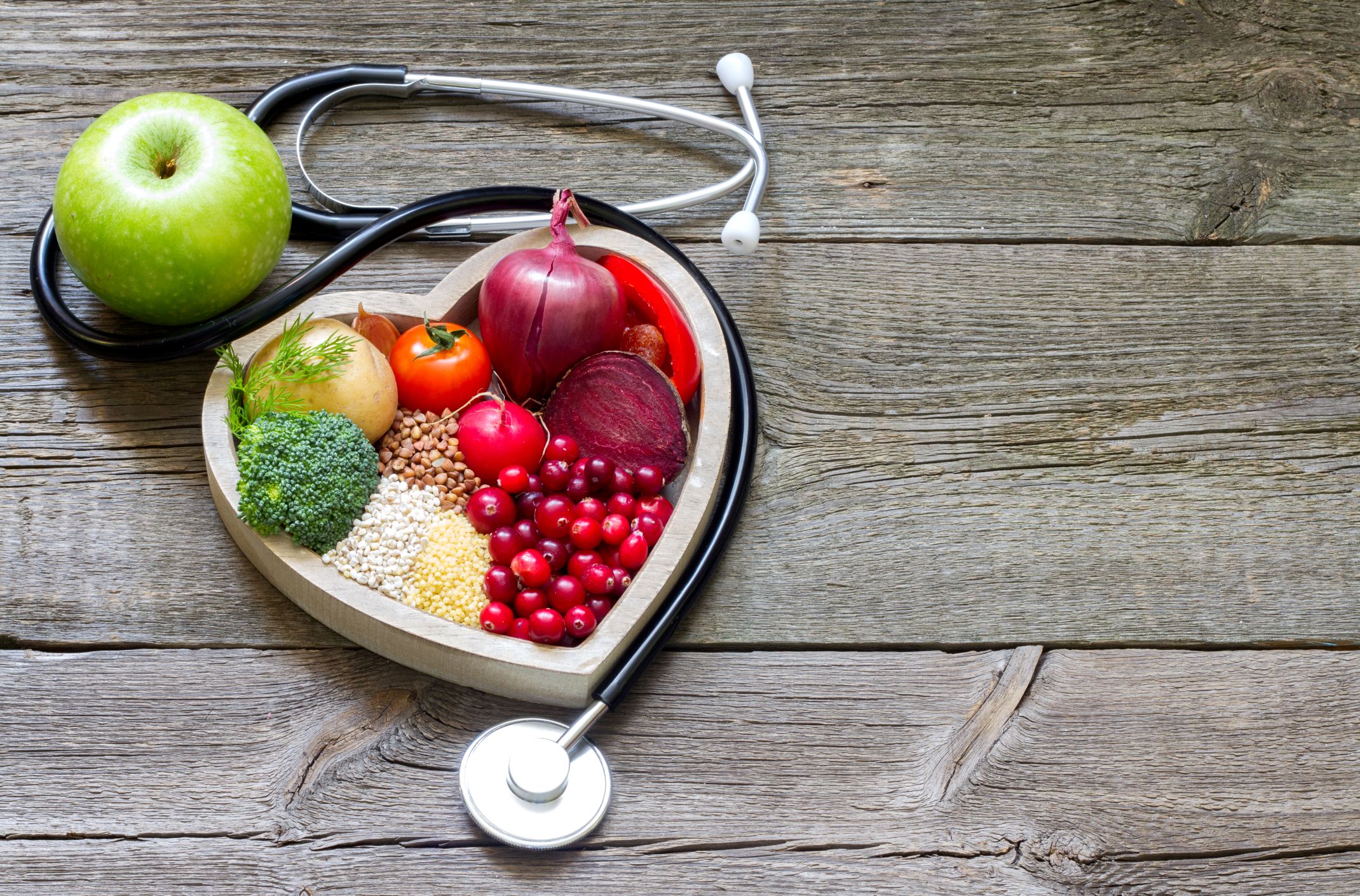
February is National Heart Health Month, which means is a great time to focus on changes we can make to be more heart healthy. Nutrition is one thing that can have a huge impact on your health in general, and that’s true for your heart health as well. In this article, we’ll go over some foods you can try to add into your diet or eat more of for better heart health and how they help.
Fruits
Fruits are rich in vitamins and minerals that are beneficial for your health as a whole. They are also high in fiber, which can help your heart by lowering cholesterol and blood pressure. Additionally, fruits are often packed with antioxidant and anti-inflammatory compounds that can help protect your heart. Adding in more fruits can also help you curb sweet cravings for things like soda, sweets, and other foods or drinks high in sugar that are harmful for your heart health.
Vegetables
Much like fruits, vegetables are high in vitamins, minerals, fiber, and antioxidants that can all have a powerful effect on your heart health. Increasing your vegetable intake could also help you reduce consumption of other, less heart healthy foods like chips or other snack that are not great for your heart or health in general
Seafood
Seafood, particularly salmon, mackerel, herring, anchovies, and sardines, is high in Omega-3s. These are fatty acids that are associated with lower blood triglyceride levels (a common type of fat in your body) and lower strokes and heart attacks. They are also a much healthier alternative for heart health than red meat, so by focusing on adding more seafood into your diet, you may naturally eat less of foods that are not so healthy for you.
Legumes
Legumes, like beans and lentils, are high in fiber like fruits and vegetables, making them great for your heart. However, they are also packed with minerals like magnesium and potassium which are associated with better heart function.
Whole grains
Whole grains, like quinoa, brown rice, and oats (as opposed to grains like white rice, white bread, etc.) are high in fiber and other nutrients with improved heart health. They are often an easy swap, whole grain for more refined grains (think whole wheat pasta instead of white pasta, brown rice or quinoa instead of white rice, etc.), which can help reduce your risk of heart disease and heart attacks.
Healthy fats
While certain fats, like butter, lard, full fat dairy products, etc. can be harmful for your heart, fats from things like olive oil, nuts and seeds, fatty fish, and avocado can actually improve your heart health.
Certain spices, particularly garlic, turmeric, saffron, and ginger, have anti-inflammatory effects that may help lower your risk of heart disease. Additionally, using these flavorful spices on your food can help you to rely less on salt, which can have negative impacts on your health.
What are Adrenal Gland Disorders?
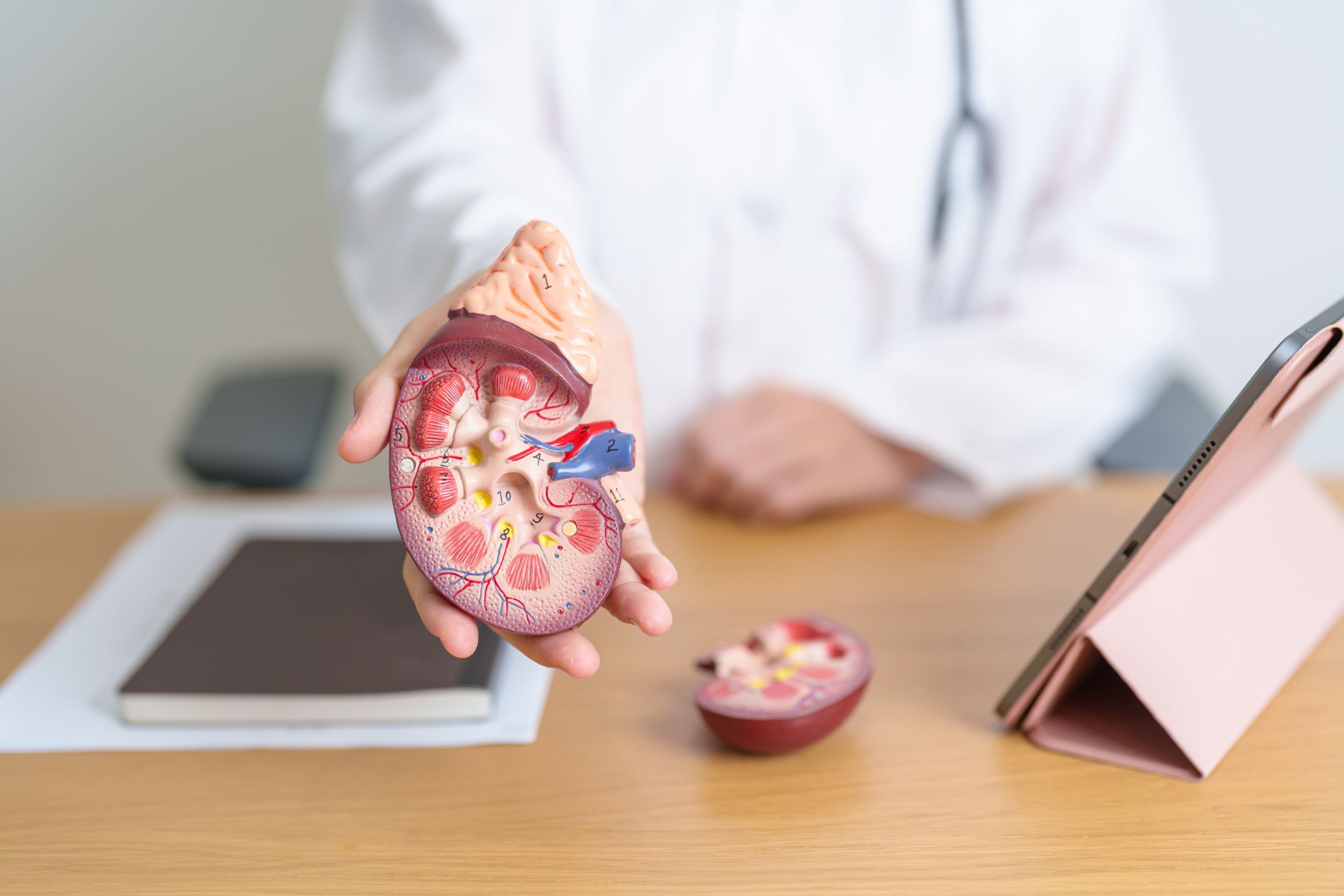
Your adrenal glands are two small glands near your kidneys that produce hormones important for your overall health, but sometimes, these important glands can have issues. This is known as an adrenal gland disorder, which we’ll go over in more detail in this article.
What is an adrenal gland disorder?
The adrenal glands are responsible for hormones that keep your metabolism, blood pressure, immune system, and stress response in balance. An adrenal gland disorder can happen when the adrenal glands make either too much or too little of an important hormone, and they can affect hormones like cortisol (the stress hormone), adrenaline (triggers fight-or-flight response), aldosterone (regulates your blood pressure).
Common Adrenal Gland Disorders
There are many types of adrenal gland disorders, but the most commonly diagnosed conditions include:
- Addison’s disease: A condition where your body doesn’t produce enough cortisol and/or aldosterone
- Adrenal gland suppression: An adrenal insufficiency relating to outside sources of cortisol
- Cushing syndrome: A condition where your body produces too much cortisol
- Congenital adrenal hyperplasia (CAH): A condition where there are not the proper enzymes in the adrenal glands to make enough hormones
- Hyperaldosteronism: A condition where your body produces too much aldosterone
- Virilization: An adrenal gland disorder where your body produces too much of the male sex hormones
Additionally, there are some adrenal gland disorders that can relate to tumors, both benign and cancerous, in the adrenal glands.
Signs of an Adrenal Gland Disorder
The signs of an adrenal gland disorder can vary based on what hormone(s) the disorder might be affecting. We’ll go over some of the symptoms of the most common types of hormone issues, but if you suspect anything, it’s important to visit a doctor for the right diagnosis and treatment.
Signs of high cortisone levels include:
- Upper body obesity, while arms and legs remain thin
- Fatigue
- High blood pressure
- Diabetes
- Frequent bruising
- Wide discolored streaks on abdominal skin
- Confusion
Signs of high aldosterone levels include:
- High blood pressure
- Low potassium
- Weakness
- Muscle spasms
- Muscle pain
https://my.clevelandclinic.org/health/diseases/16717-adrenal-disorders
Sheet Pan Salmon and Brussel Sprouts
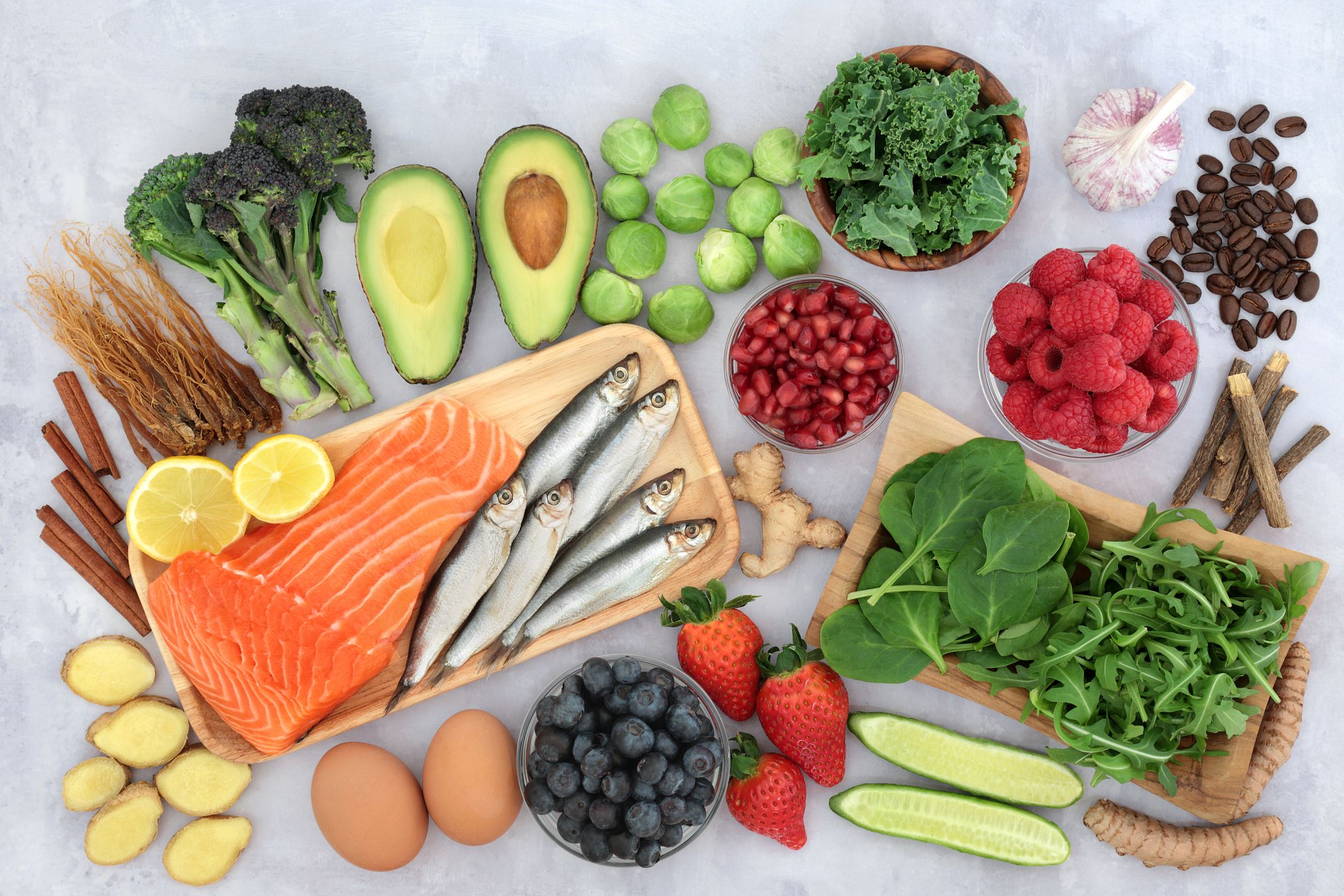
Ingredients:
- 2 lemons
- 6 cloves garlic
- 2 teaspoons dried oregano
- 1 teaspoon smoked paprika
- 1 teaspoon fresh thyme leaves or ½ teaspoon dried thyme
- 1 teaspoon ground pepper
- ¼ teaspoon crushed red pepper (optional)
- 4 tablespoons extra-virgin olive oil, divided
- 1 pound Brussels sprouts, trimmed and thinly shaved (about 6 cups)
- 1 shallot, thinly sliced (about ¼ cup)
- 4 (6-ounce) skin-on salmon fillets
- ½ teaspoon salt plus ⅛ teaspoon, divided
Directions:
- Preheat broiler with rack in middle position. Line a large rimmed baking sheet with foil. Zest 2 lemons to yield 2 teaspoons zest and juice the lemons to yield ¼ cup juice. Mince 4 garlic cloves to yield 1½ tablespoons and smash the remaining 2 garlic cloves.
- Combine 2 teaspoons oregano, 1 teaspoon paprika, 1 teaspoon fresh thyme (or ½ teaspoon dried), 1 teaspoon black pepper, ¼ teaspoon crushed red pepper (if using), the lemon zest, 3 tablespoons lemon juice and the minced garlic in a small bowl. Add 1 tablespoon oil; whisk to combine.
- Combine sliced Brussels sprouts, sliced shallot and the smashed garlic with 1 tablespoon oil on the prepared baking sheet; spread in an even layer. Nestle 4 salmon fillets, skin-side down, among the vegetables. Drizzle the salmon and vegetables with the lemon mixture.
- Broil until the Brussels sprouts are tender and the fish flakes easily with a fork, about 10 minutes. Sprinkle with ½ teaspoon salt.
- Place the roasted garlic cloves on a cutting board and mash into a paste using the flat side of a large knife; transfer to a small bowl. Whisk in the remaining 2 tablespoons oil, 1 tablespoon lemon juice and ⅛ teaspoon salt. Drizzle the lemon mixture evenly over the salmon and Brussels sprouts; toss the Brussels sprouts.
https://www.eatingwell.com/sheet-pan-salmon-shaved-brussels-with-lemon-garlic-drizzle-8769908