-
Patient Resources
-
-
Patient Information
-
Education
-
-
-
Services
-
-
All Services
-
Service Details
-
-

Proudly Part of Privia Health
Mar-26 Flashes | Can a Diet Change Help with Endometriosis Pain?
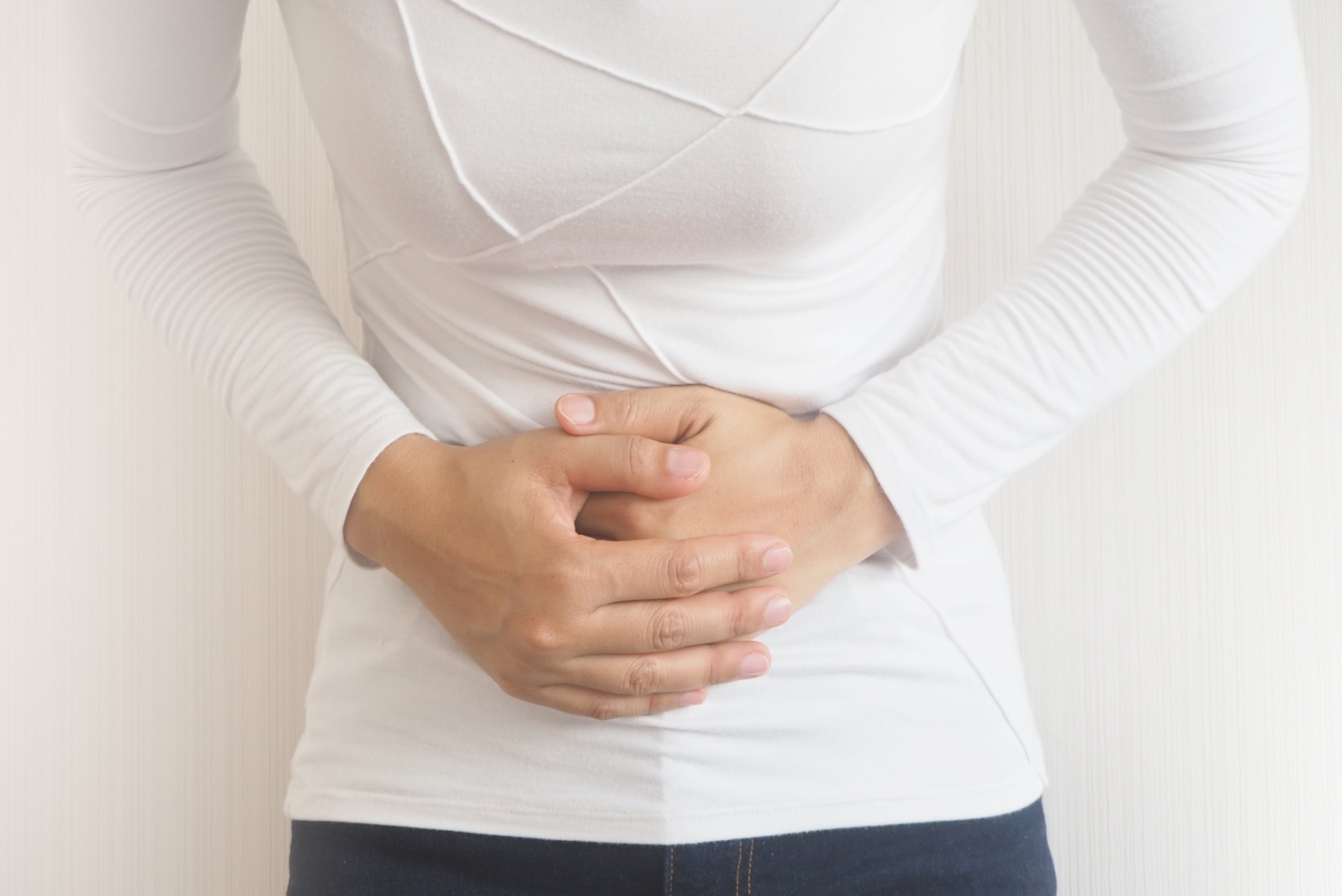
Endometriosis is a painful condition causing heavy periods, pain, nausea, and more. It can be more than uncomfortable and even downright debilitating for many women, interfering with your daily life. However, there is some evidence to suggest that diet changes can be helpful in managing the condition along with other management techniques.
How does an endometriosis diet work?
An endometriosis diet works by lowering the inflammation that comes along with the condition. Endometriosis can be really inflammatory, and by eating foods that help deal with that inflammation or cutting out foods that cause inflammation, it can help to manage the condition. While diet can be helpful for many women with this condition, it is not going to cure the condition, and often it’s one tool in a tool belt of management techniques.
What do I eat on an endometriosis diet?
There two aspects to an endometriosis diet: what to eat more of and what to cut out or limit. We’ll go over what to add in to your diet first because this can often be easier than cutting our or limiting certain foods.
- Foods to eat more often:
- Fiber: Foods high in fiber like fruits and vegetables, legumes, and whole grains can help your body eliminate excess estrogen by helping you have more bowel movements, thus clearing your body of too much estrogen. If you’re not eating much fiber now, increase your intake gradually. While fiber supplements can be helpful for some women, it’s a good idea to talk to your provider before starting anything new.
- Healthy fats: Foods high in omega-3 fatty acids can help calm inflammation. Add in things like fatty fish (salmon, sardines, tuna, etc.), nuts and seeds, avocadoes, olive oil, and peanut butter.
- Magnesium: Magnesium can help ease muscle cramps, like those caused from menstrual cramps with endometriosis. You can get more magnesium by adding in fruits, leafy greens, legumes, and nuts and seeds.
- Zinc: Zinc can help to regulate your menstrual cycles and keep your hormones more balanced. You can add in more zinc by eating more poultry, shellfish, eggs, and some red meat in moderation.
- Foods to cut out or limit:
- Processed foods: While processed foods have become a normal part of modern life, they aren’t usually very healthy, and they are often full of ingredients that can cause more inflammation. While you don’t have to cut them out entirely, it’s a good idea to limit them as a way of helping managing endometriosis symptoms.
- Food triggers: Some people with endometriosis may have food triggers, or food that seems to make their symptoms worse. This will differ from person to person, so keeping a food journal can be really helpful in finding out what affects you and how. While everyone’s food triggers are different, the most common food triggers for endometriosis are alcohol, caffeine, gluten, dairy products, and high sugar foods.
https://health.clevelandclinic.org/endometriosis-diet
Poison Prevention Tips for Kids
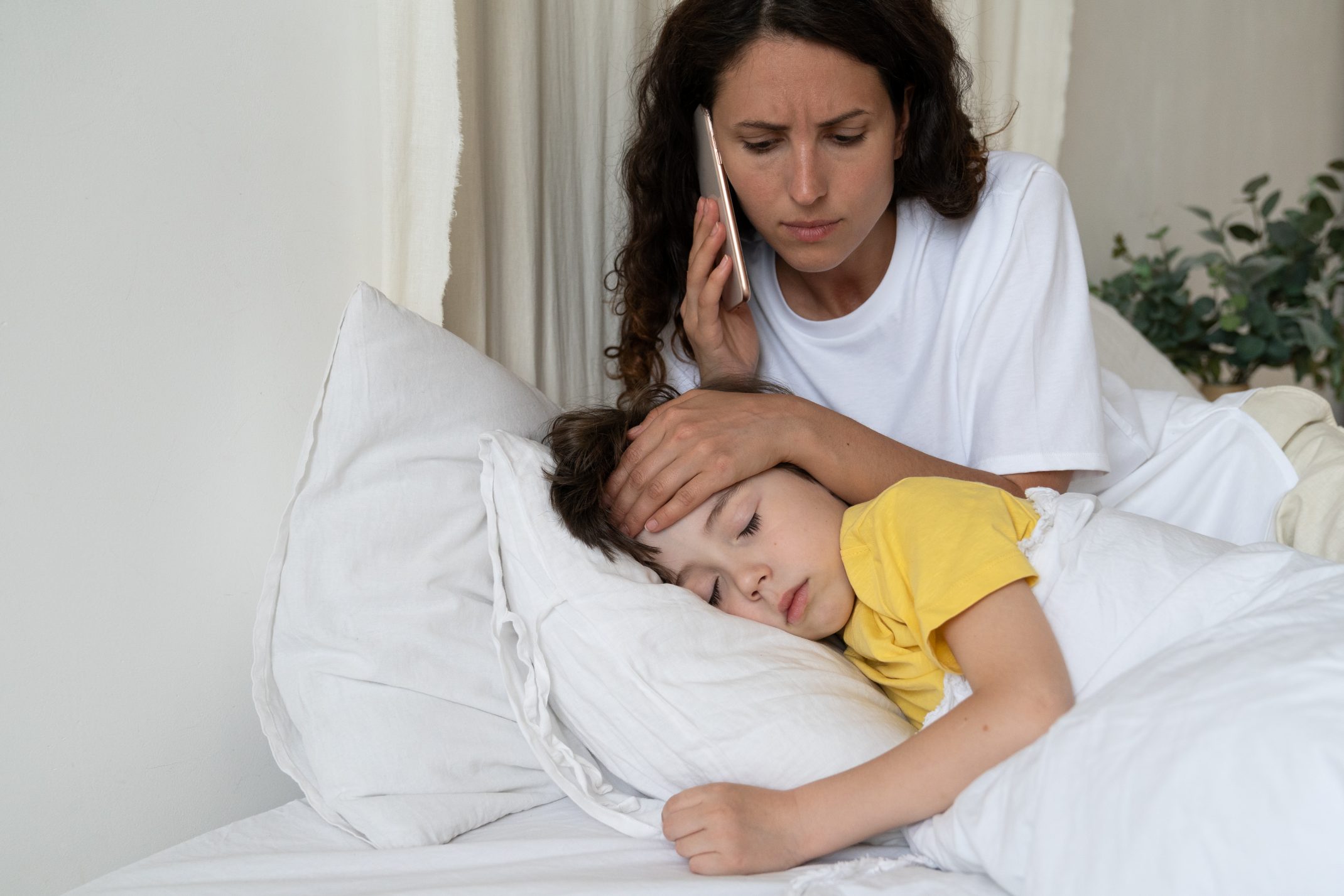
We all want to keep the kids in our life safe, and one important way to do that is through poison prevention. Poison prevention encompasses a variety of different household items, which we’ll go over in this article.
Medicine
When most people think of poison prevention, they probably think of medicine, and this is because it is an important aspect of poison prevention. Many medicines, even over the counter medicines, can be harmful to children if they take them (or take too much). You can protect the children in your life by:
- Keep medicines in their original containers
- Keep medicines stored up high, ideally in something with a latch or lock
- Don’t tell children that medicine tastes like candy
- Don’t assume your child can’t open medicine because of child resistant packaging
- Don’t give your child medicine in the dark—low vision could mean you give the wrong dose on accident.
Cleaning Products and Household Chemicals
Cleaning products are another key component of poison prevention, so it’s important to go beyond medicine when thinking about this issue. Ways you can keep children safe when it comes to cleaning products include:
- Storing cleaning products and aerosol sprays in a high cabinet
- Use safety latches on cabinets with cleaning supplies or other chemicals
- Keep a close watch on cleaning products or household chemicals while you’re using them, especially if children are around. Put them up as soon as you’re done.
- Don’t use roach powders or rat poison on the floors of your home, and don’t use insect sprays on furniture or mattresses.
- Keep laundry and dishwasher supplies out of sign and in a locked cabinet.
- If you have children under six years old, consider using laundry or dish detergent options that are not the pods. Because these look like candy, they can be one of the most dangerous types of detergent options for children.
- Store cleaning supplies in their original bottle, and never transfer them to a bottle or container used for foods or drinks.
Alcohol
Alcohol may not be something you think of when it comes to poison prevention, but it can harm children if they ingest it. Some ways to prevent this from happening include:
- Keeping alcoholic drinks out of kids reach. This can be especially important at parties where adults might be drinking with children around.
- Keep bottles of alcohol in a locked cabinet where children can’t reach them.
- Remember that some household products (mouthwash, food extracts, hand sanitizer, perfume/cologne, rubbing alcohol) contain alcohol and need to be kept away from kids too.
Other Things to Think About
While medicine, cleaning supplies/chemicals, and alcohol are important parts of poison prevention, your efforts shouldn’t end there. It’s a good idea to check for lead paint in your home and in pieces of furniture as well, and you also need to think about storage and access to:
- Gardening supplies
- Certain cosmetics and toiletries
- Houseplants or outdoor plants that may be poisonous
- Batteries, especially button batteries
https://kidshealth.org/en/parents/safety-poisoning.html
Almond, Coconut, and Date Bites
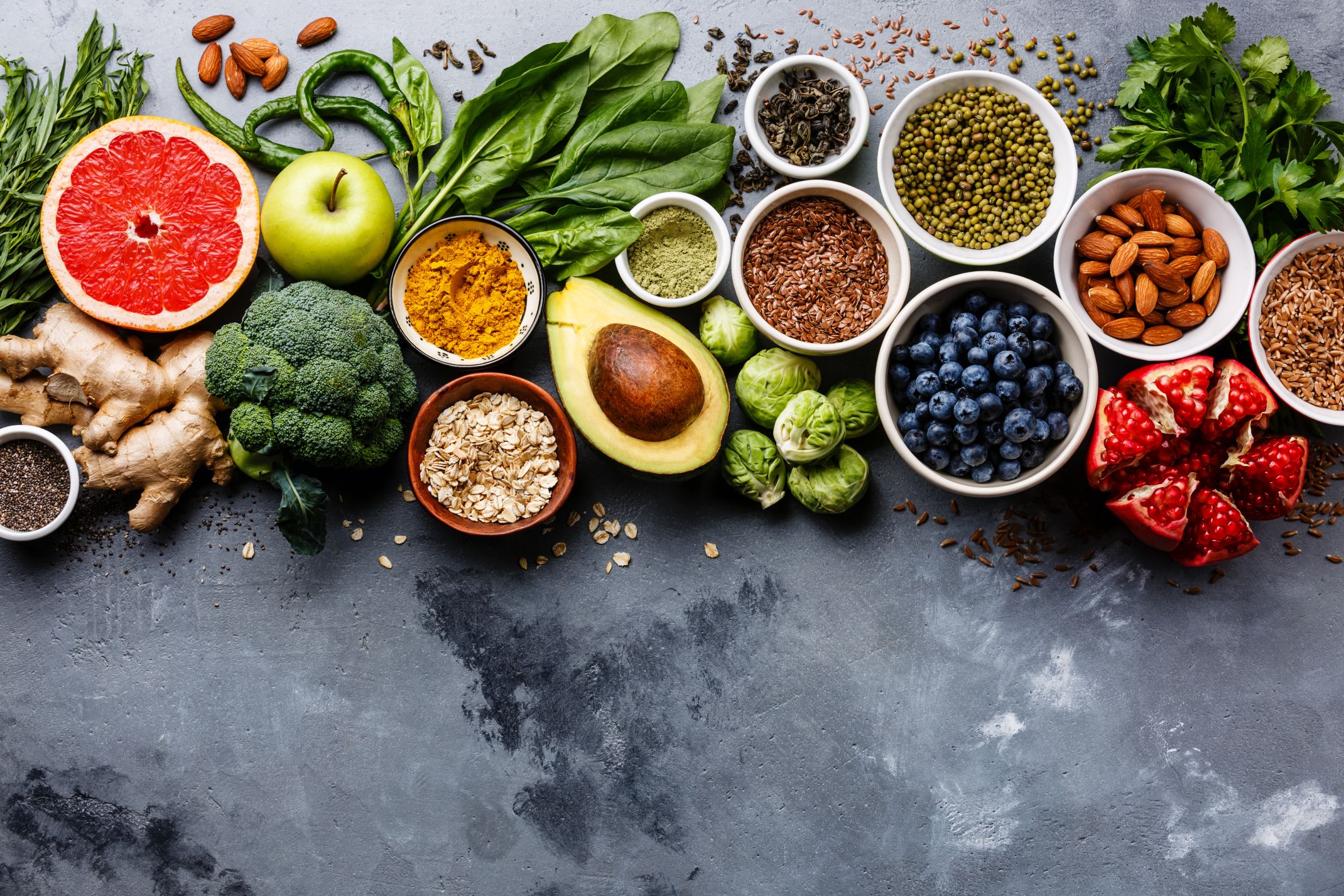
Ingredients:
- 2 cups Medjool dates, pitted
- 1 1/2 cups old fashioned rolled oats
- 1/2 cup unsalted roasted whole almonds
- 1/3 cup whole golden flax seeds
- Kosher salt
- 3/4 cup unsweetened coconut flakes
- 1/4 cup almond butter (or your preferred nut butter)
- 1/3 cup cacao nibs
Directions:
1. Place the dates in a medium bowl and cover with warm water (about 100 degrees F). Let sit for 2 minutes. Drain well and place in a food processor with the oats, almonds, flax seeds and 1 teaspoon salt. Process until the oats and almonds are minced, about 2 minutes. Add 1/2 cup coconut flakes, the almond butter and cacao nibs and blend until fully incorporated, scraping the sides of the food processor down as needed, 1 to 2 minutes.
2. Shape the mixture into 2 tablespoon-sized balls (a 1-ounce scoop works well here). Once all of the mixture has been shaped, place the remaining 1/4 cup of coconut flakes in a small bowl and roll each ball in the coconut flakes to fully coat. Store in an air-tight container for up to 2 weeks in the refrigerator.
https://www.foodnetwork.com/recipes/food-network-kitchen/almond-coconut-and-date-bites-9483248