
Jan-26 Flashes | Thyroid Cancer: What You Need to Know
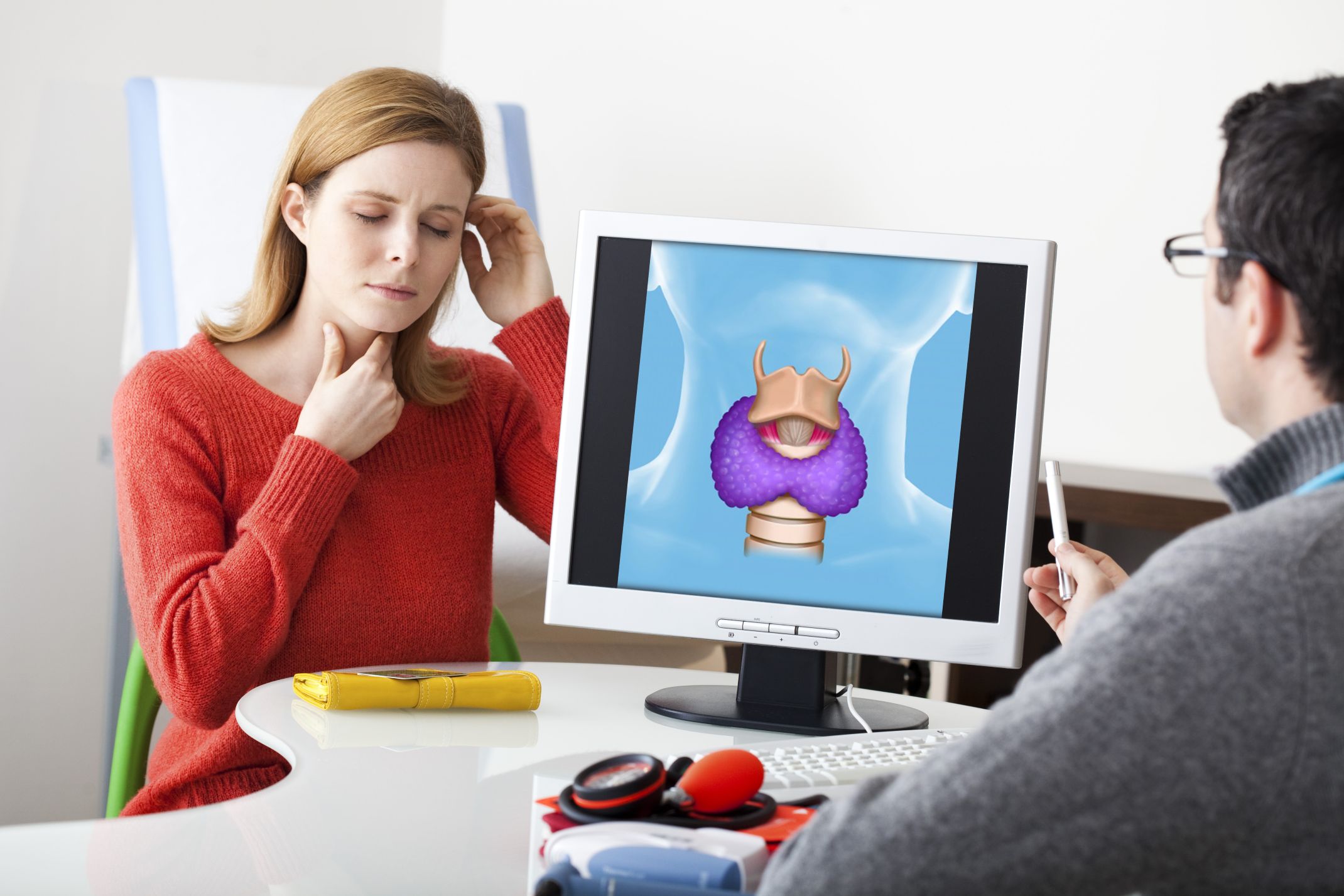
Middle-aged women are one of the most likely groups to be diagnosed with thyroid cancer, and this Thyroid Cancer Awareness Month, we wanted to offer some important education on this type of cancer. In this article, we’ll cover what you need to know about thyroid cancer, including what it is, why it matters, signs and symptoms to look out for, and what to do if you spot something.
What is thyroid cancer?
Thyroid cancer is a type of cancer that starts in your thyroid gland, which is a part of your body responsible for regulating your metabolism, heart rate, blood pressure, and body temperature. Your thyroid can develop nodules (large lumps or bumps), and while most of these are benign, a small percentage are cancerous.
Why it matters
Thyroid cancer is a relatively common type of cancer, especially in women. And as we age and experience hormone changes associated with menopause, this can affect our thyroid. While many of the issues associated with menopause are not cancerous, it’s still a good time to be aware of your thyroid health. Additionally, the signs of thyroid cancer are often subtle and can go undetected for longer than is ideal. Knowing what signs and symptoms to look out for, what to do if you spot them, and visiting your doctor regularly are all important steps in taking care of your thyroid.
Signs and Symptoms to Look Out For
While the signs and symptoms of thyroid cancer can be subtle, especially early on in the disease, there are things you can look out for, including:
- A lump that can be felt through the skin on your neck
- Your collar feeling too tight
- Changes to your voice, including increasing hoarseness
- Difficulty swallowing
- Swollen lymph nodes in your neck
- Pain in your neck and throat
What to Do if You Spot Something
If you notice thinks like a lump, voice changes, and/or neck swelling, don’t ignore it! Make an appointment with your healthcare provider as soon as possible. There’s a good chance it could be benign, but even if it’s not, early detection means early treatment and a much better prognosis.
Primary Source: American Cancer Society
https://www.cancer.org/cancer/types/thyroid-cancer.html
Make 2026 Your Healthiest Year Yet

With the start of every new year, a lot of us set goals to get healthier. The transition to a new year can be helpful for many people, but often, without proper planning and goal setting (or just life getting in the way), they lose track of their goals within a month or two. In this article, we’ll go over why now is more important than ever to make 2026 your healthiest year yet, key areas to focus on, and how to do it without burning out and/or giving up.
Why it Matters
While it’s easy to put off important goals, there truly is not an easier or better time to begin your health journey than now. The more you wait, the more stuck you get in old patterns and routines, and we all start to lose muscle mass after age 30. When you look back on all that you accomplished this time next year, you’ll be glad you stuck with it now instead of continuing to put it off.
Key Areas to Focus On
Health is a wide field, and while many people jump to exercise or nutrition, there is a lot more to it than that. To make 2026 your healthiest year yet, there are five key areas we recommend focusing on, including:
- Health monitoring and preventative screening
- Movement and fitness
- Nutrition and balanced eating
- Sleep
- Social well-being and stress management
How to Do It
When you think about all the areas listed above, or even thinking really hard about just one of them, it can be easy to get overwhelmed and give up before you even start. However, with these tips, it truly is possible to make meaningful change.
- Start small. Many people get burned out on New Year’s resolutions and new goals because they try to do everything all at once. This is a recipe for disaster. Instead, pick one category to focus on or one (small) task from each category to get started with. For example, in the month of January you focus on sleep habits or eating better or you make one small commitment (going to bed 30 minutes earlier, cutting back your sugary drinks by one each day, setting a goal to have a 10 minute walk each day, making one important appointment, etc.) in each health category for the month.
- Create a yearly roadmap. Now that you’ve got an idea of what your first month is going to look like, put pen to paper and write it down. Then, take some time to set some goals for the rest of the year following your initial goal set up (either one category or one small goal in each).
- Check in regularly. Now that you have a roadmap or yearly plan of what your goals are, make a point to check in regularly. This might be once a month for some people and more often for others. Whatever you decide is best for you, put it in your phone calendar with a reminder and/or write it down in your planner to help ensure you do it. If you have a friend or loved one who is also working on similar goals, maybe you even make a date with them to discuss how things are going. This can help you look forward to your check-ins rather than dreading them, but the other person’s involvement can also help keep you more accountable.
- Be prepared for setbacks. You’ve got a great plan in place and have scheduled your regular check ins…everything is smooth sailing now, right? Unfortunately, probably not. Even with the best laid plans, life can get in the way. You have a really busy week at work and aren’t able to get in bed at the right time. You forgot to prep dinner, so you end up swinging through a drive-thru instead. These things happen and understanding that is important. It’s what you do after those setbacks that matters. If you throw up your hands and say your plans ruined because of one bad day, week, or even month, you’re going to be right back where you started. But, if you understand those days or weeks (or even months) are going to happen, you can be prepared to get back to your plan when you can.
Garlic Shrimp with Yellow Rice

Ingredients: •
- 2 tablespoons extra-virgin olive oil, plus more for drizzling
- 1 cup long-grain white rice
- ½ teaspoon coriander and annatto seasoning (such as Sazon)
- Kosher salt and freshly ground black pepper to taste
- 2 tablespoons unsalted butter
- 5 cloves garlic, minced
- 2 small Cubanelle peppers (4 to 5 ounces), halved lengthwise and sliced crosswise
- ½ teaspoon dried oregano
- 1 ½ pounds large shrimp, peeled and deveined
- ¼ cup fresh parsley, chopped
- 2 tablespoons fresh lemon juice, plus wedges for serving
- Sliced avocado and tomato for serving
Directions:
- Heat 1 tablespoon olive oil in a small saucepan over medium heat. Add the rice and stir until slightly translucent, about 3 minutes. Add 1 1/2 cups water, the coriander-and-annatto seasoning, 3/4 teaspoon salt and a few grinds of pepper. Bring to a boil, then cover and cook over medium-low heat until the liquid is absorbed, about 15 minutes. Remove from the heat and let stand, covered, 5 minutes.
- Heat 1 tablespoon butter and the remaining 1 tablespoon olive oil in a large skillet over medium-high heat. Add the garlic, Cubanelle peppers and oregano; stir to soften slightly, about 30 seconds. Add the shrimp and season with salt and pepper; cook, stirring occasionally, until pink and cooked through, 3 to 4 minutes. Add the parsley, lemon juice and remaining 1 tablespoon butter. Remove from the heat and stir until the butter is melted. Season with more salt and pepper, if needed.