For information about your new Patient Portal, please visit https://www.myprivia.com/north-texas-portal.
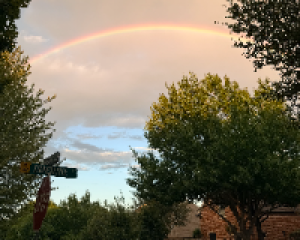
After the Storm: Helping Kids Through Big Feelings
Childhood can be full of sunshine—but every child has stormy days, too. Big feelings like anger, worry, frustration, sadness, and disappointment are a normal part of growing up. Learning how to understand and manage those emotions is an important part of a child’s development.
At Julie Tomberlin MD PA, we often remind parents that the goal isn’t to prevent children from experiencing difficult emotions. Instead, we want to help them develop the tools to move through those feelings in healthy ways.
When Big Feelings Feel Really Big
Children don’t always have the words—or the emotional regulation skills—to tell us what is happening inside. Anxiety may look like a stomachache before school. Overwhelm may show up as a meltdown after a long day. Sadness can sometimes appear as irritability, and stress may lead to sleep problems, headaches, changes in appetite, or behavior that seems to come out of nowhere.
When emotions run high, try to connect before you correct. Help your child name what they are feeling: “It looks like you're really frustrated right now.” Simply feeling understood can help a child begin to calm down.
Other strategies that can help include:
- Keeping sleep, meals, and daily routines consistent
- Allowing time to decompress after school
- Encouraging movement and outdoor play
- Teaching simple calming strategies such as slow breathing
- Making space for feelings without immediately trying to “fix” them
- Modeling healthy ways of handling your own frustration and stress
When Should Parents Ask for Help?
Occasional emotional storms are part of childhood. But if anxiety, sadness, anger, or behavioral changes are interfering with school, friendships, sleep, family life, or activities your child once enjoyed, it may be time to talk with your pediatrician.
Sometimes big feelings are simply part of navigating a difficult season. Other times, they can be signs of anxiety, ADHD, depression, learning difficulties, sleep problems, or other concerns that deserve a closer look.
As your Mansfield pediatrician, Julie Tomberlin MD and her excellent nurse practitioners are here to support not only your child’s physical health, but their emotional and developmental health as well. Storms happen. Our job isn’t to make sure our children never experience them—it’s to help them learn that they can make it through to the other side.
Looking for a pediatrician in Mansfield, TX or concerned about your child's emotional health or behavior? Call us today at 682-518-8111 to learn more or schedule an appointment.